September in Michigan is the warning shot.
The mornings get cooler. Daylight starts disappearing earlier. Summer road trips wind down, and before long, you’re dealing with rain, freezing temperatures, slick roads, and eventually snow.
Your vehicle needs to be ready.
The worst time to discover your battery is weak is the first freezing morning.
The worst time to discover your tires are worn is during the first heavy rain.
And the worst time to discover your brakes need attention is when the vehicle in front of you suddenly stops.
That’s why September is one of the smartest times of the year to handle fall car maintenance.
You don’t need to rebuild your vehicle before winter. You need to inspect the systems most likely to leave you stranded.
Here are seven things US23 Towing recommends Michigan drivers pay attention to before colder weather arrives.
1. Test Your Battery Before the Temperature Drops
Start here.
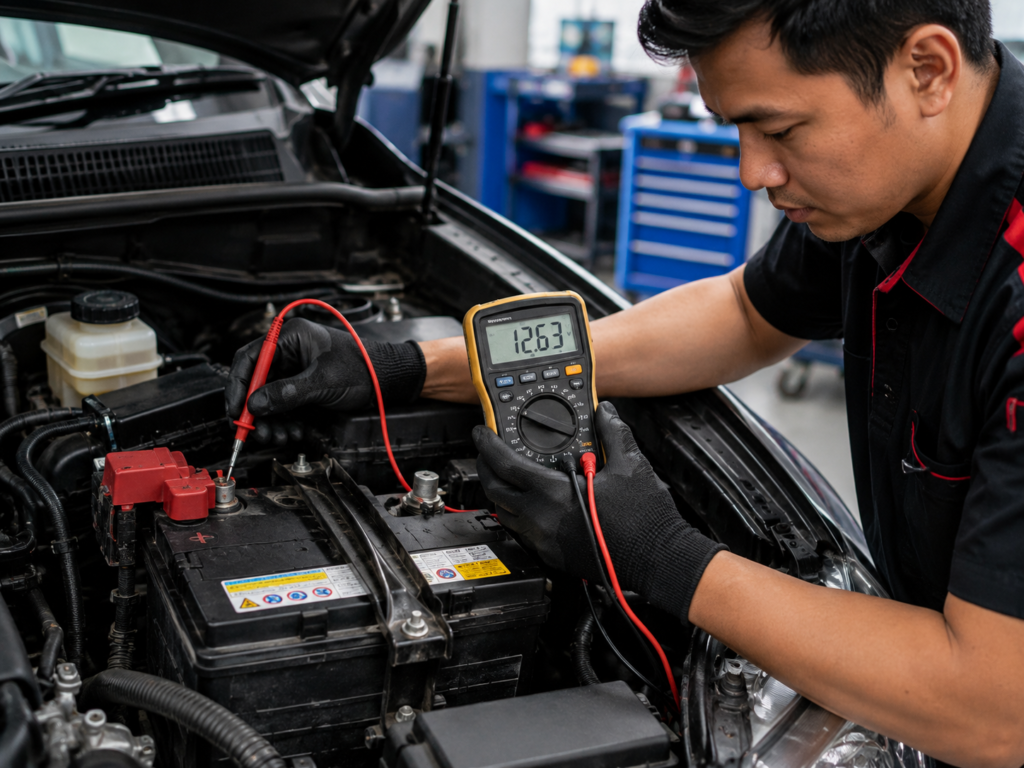
A weak battery may work perfectly throughout summer and then struggle once temperatures fall.
If your battery is around three years old or older, have it tested.
AAA notes that summer heat contributes significantly to battery deterioration, while weak batteries often reveal themselves when colder weather arrives.
Signs of a weakening battery include:
- Slow starts
- Clicking
- Dim headlights
- Battery warning light
- Electrical issues
- Corroded terminals
Don’t wait until you’re sitting in your driveway on a freezing morning with a vehicle that won’t start.
A five-minute battery test can prevent an unexpected towing call.
2. Check Your Brake Pads and Rotors
Your brakes are about to enter their toughest season.
Rain, cold temperatures, snow, ice, and road salt make dependable braking even more important.
Listen for:
- Squeaking
- Grinding
- Scraping
- Clicking
Pay attention to:
- Vibration
- Pulling
- Soft brake pedal
- Longer stopping distances
If you’re already searching “brake inspection near me,” there’s probably a reason.
Don’t wait until the first snowstorm.
AAA recommends brake-system inspections that include the pads, rotors, linings, and brake fluid because worn brakes increase stopping distance and accident risk.
3. Inspect Your Tires Before Wet and Cold Weather
Good tires aren’t just about getting through snow.
They’re about maintaining control during:
- Heavy rain
- Cold pavement
- Emergency braking
- Pothole impacts
- Slippery conditions
Inspect all four tires for:
- Low tread
- Uneven wear
- Cracks
- Sidewall bulges
- Incorrect pressure
And don’t forget your spare.
Tire pressure also changes with temperature, which makes regular checks increasingly important as fall temperatures fluctuate.
AAA specifically recommends inspecting tire inflation and tread as part of seasonal vehicle preparation.
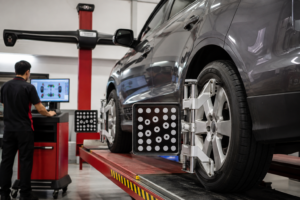
4. Pay Attention to Your Alignment and Suspension
Michigan roads aren’t exactly gentle.
After an entire summer of driving through potholes, construction zones, dirt roads, and rough pavement, your alignment or suspension may need attention.
Signs include:
- Car pulling left or right
- Crooked steering wheel
- Uneven tire wear
- Bouncing
- Clunking
- Steering vibration
MDOT notes that pothole impacts can damage tires, wheels, suspension, steering components, and alignment.
If your car doesn’t drive straight, don’t simply compensate by holding the steering wheel differently.
Get it inspected.
5. Check Your Fluids
Fluids are easy to forget because you don’t see them while driving.
But they’re keeping major systems alive.
Before colder weather arrives, check:
- Engine oil
- Coolant
- Brake fluid
- Transmission fluid where applicable
- Power-steering fluid where applicable
- Windshield washer fluid
Coolant deserves particular attention.
It doesn’t only prevent overheating. Proper coolant also protects your engine during freezing temperatures.
If you notice fluid underneath your vehicle, don’t automatically assume it’s harmless water.
Identify the leak before it becomes a breakdown.
6. Replace Worn Wiper Blades
This might sound minor until you’re driving through heavy rain at night and can’t see the lane markings.
Summer sun and heat can dry and crack wiper blades.
By fall, they may:
- Streak
- Skip
- Squeak
- Leave sections of the windshield untouched
Replace damaged blades before fall rain and winter snow arrive.
Check your washer fluid at the same time.
Visibility is part of vehicle safety.
IMAGE SUGGESTION
Photo: Driver replacing windshield wiper blades.
Alt text: Replacing windshield wipers as part of fall car maintenance in Michigan.
7. Don’t Ignore the Small Stuff
This is where drivers get themselves into trouble.
A little squeak.
A slight vibration.
One slow start.
A warning light that disappeared.
A tiny coolant leak.
Small problems are usually cheaper to repair.
Ignoring them is what makes them expensive.
September is the perfect time to have your vehicle inspected because you’re catching these problems before Michigan winter puts even more stress on the vehicle.
Build a Basic Michigan Emergency Kit
Even a properly maintained vehicle can break down.
Keep a basic emergency kit containing:
- Flashlight
- Phone charger
- Jumper cables
- First-aid kit
- Water
- Nonperishable snacks
- Reflective equipment
- Blanket
Michigan State Police recommends keeping items including a flashlight, charger, water, food, blankets, first-aid supplies, and jumper cables in your vehicle emergency kit.
And save your towing company’s phone number before you need it.
Frequently Asked Questions
When should I start preparing my car for winter in Michigan?
September and early fall are excellent times. You can address problems before freezing temperatures and snow arrive.
What is the most important fall car maintenance?
Start with your battery, tires, brakes, fluids, wipers, and lights. Those systems directly affect reliability, visibility, and safety.
Should I have my brakes checked before winter?
Yes. If they’re already squeaking, grinding, vibrating, or taking longer to stop, don’t wait for winter.
Why does my tire pressure change during fall?
Air pressure changes as temperatures change. Check your tires regularly and use the pressure specified by your vehicle manufacturer.
Get Ahead of Winter With US23 Towing
Michigan winter doesn’t give much warning.
September does.
Use it.
Get your battery tested. Inspect your brakes. Check your tires. Fix the alignment problem you’ve been ignoring. Make sure your fluids, lights, and wipers are ready.
A little fall car maintenance now can prevent a much bigger problem when temperatures drop.
And if your vehicle does leave you stranded, US23 Towing is here when you need help.
Save the number now: 810-655-5959.
Don’t wait until you’re standing beside a vehicle that won’t start searching for help.
US23 Towing — dependable roadside help when Michigan roads don’t cooperate.