
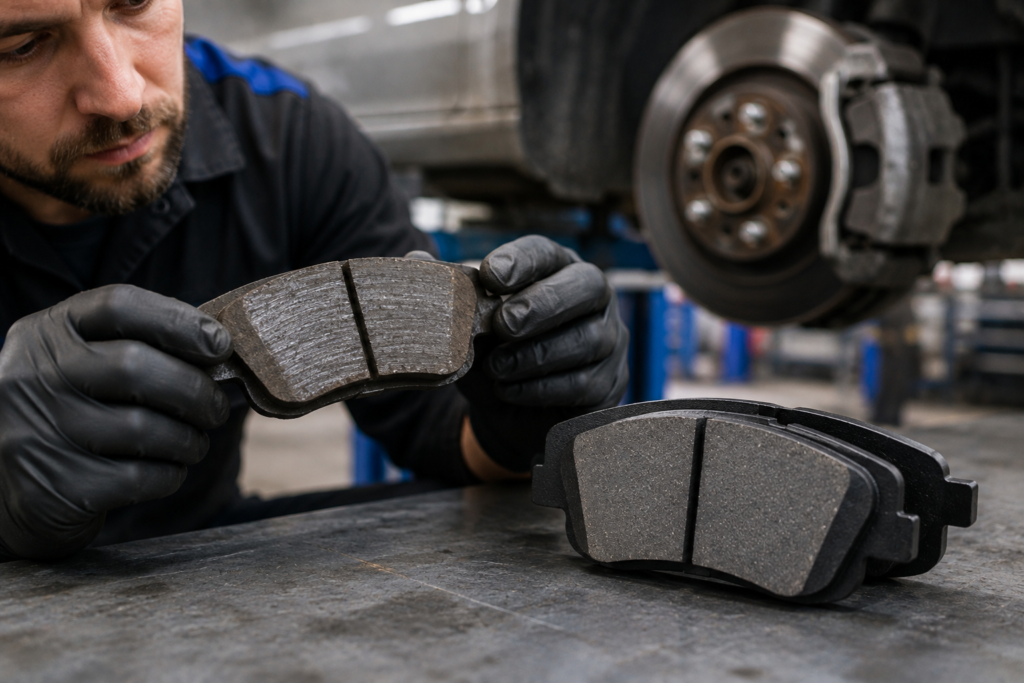
Your engine makes the car go.
Your brakes make sure it stops.
When it comes to vehicle safety, few components are more important than your brake pads. Every time you press the brake pedal, your brake pads create the friction needed to slow your vehicle and bring it to a safe stop. It’s a simple process—but one that happens thousands of times throughout the life of your vehicle.
The problem is that brake pads are designed to wear out.
Ignoring worn brake pads doesn’t just reduce your stopping power. It can damage your brake rotors, calipers, and other expensive components while putting you, your passengers, and everyone else on the road at risk.
The good news is that your vehicle almost always gives you warning signs before complete brake failure happens.
Knowing these warning signs can help you schedule a brake pad replacement before a simple maintenance job turns into a costly repair.
Here are the five biggest signs your brake pads are failing—and why you shouldn’t ignore them.
1. Your Brakes Squeak or Squeal Every Time You Stop
One of the earliest—and most common—warning signs is a high-pitched squealing sound.
Modern brake pads are built with a small metal wear indicator.
As the friction material becomes thin, this indicator contacts the brake rotor and produces a squealing noise.
It’s not a defect.
It’s your vehicle’s built-in reminder that your brake pads are nearing the end of their life.
Why Drivers Ignore It
Many drivers assume:
- “It only squeaks in the morning.”
- “The brakes still work.”
- “It’ll probably go away.”
Unfortunately, it usually doesn’t.
That squeal is your opportunity to replace the pads before additional damage occurs.
Ignoring it often leads to much more expensive repairs.
2. Grinding Noise When Braking
If squealing is the warning…
Grinding is the emergency.
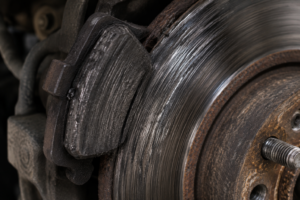
A grinding sound usually means the brake pad material has worn away completely.
Instead of the brake pad contacting the rotor, the metal backing plate is now grinding directly against it.
Every time you hit the brakes, you’re damaging the rotor.
This often results in:
- Deep grooves
- Excessive heat
- Rotor warping
- Reduced stopping power
Instead of replacing only the brake pads, you’ll likely need a full brake pad replacement and brake rotor replacement.
That’s a much larger repair bill.
3. Your Brake Pedal Feels Soft or Spongy
Your brake pedal should feel firm and responsive.
If it suddenly feels soft, spongy, or sinks farther than normal before the vehicle slows down, something isn’t right.
While worn brake pads aren’t always the direct cause, they often contribute to:
- Increased stopping distance
- Brake fluid issues
- Overheated braking components
- Reduced braking performance
A soft pedal should never be ignored.
If your brakes don’t respond immediately, neither should you.
Schedule a brake inspection as soon as possible.
4. Your Vehicle Takes Longer to Stop
Most drivers don’t notice longer stopping distances immediately.
It happens gradually.
You press the brake pedal.
The vehicle still stops…
Just not as quickly as it used to.
This is one of the most dangerous symptoms because many drivers simply adjust by pressing harder.
Unfortunately, that extra stopping distance can become critical during emergencies.
Imagine:
A child runs into the street.
Traffic suddenly stops.
A vehicle pulls out unexpectedly.
Those extra few feet can make the difference between a close call and a collision.
Brake pads lose effectiveness as they wear.
The longer you wait, the more braking performance you lose.
5. Burning Smell After Heavy Braking
A strong burning smell coming from your wheels is never normal.
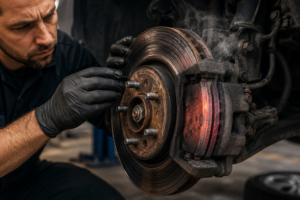
This often indicates excessive brake heat.
Heat builds when:
- Brake pads are worn
- Brake calipers stick
- Drivers ride the brakes
- Heavy towing overloads the braking system
If ignored, excessive heat can damage:
- Brake rotors
- Brake fluid
- Calipers
- Wheel bearings
If you smell burning after braking, pull over safely and allow the brakes to cool.
If the smell continues, schedule professional brake repair near me before driving further.
What Causes Brake Pads to Wear Out Faster?
Not all brake pads wear at the same rate.
Several factors affect lifespan.
Aggressive Driving
Hard braking creates more friction.
More friction means faster wear.
Stop-and-Go Traffic
City driving requires significantly more braking than highway driving.
Heavy Vehicles
SUVs, trucks, and vehicles carrying heavy loads naturally wear brake pads faster.
Michigan Road Conditions
Michigan roads are especially tough on braking systems because of:
- Winter road salt
- Snow and ice
- Stop-and-go traffic
- Potholes
- Wet road conditions
These conditions increase brake wear throughout the year.
The Hidden Costs of Ignoring Worn Brake Pads
Many drivers postpone brake service because the vehicle “still stops.”
Unfortunately, waiting almost always costs more.
Ignoring worn brake pads can lead to:
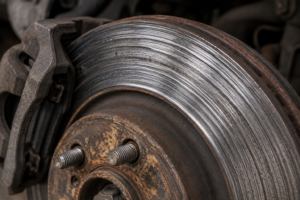
Brake Rotor Replacement
Metal-on-metal contact quickly damages rotors.
Caliper Damage
Overheated calipers can seize, requiring replacement.
ABS System Issues
Excessive vibration and heat can affect ABS sensors.
Brake Fluid Problems
Heat breaks down brake fluid over time.
Emergency Towing
If braking becomes unsafe, the vehicle may require towing to a repair facility.
A simple brake pad replacement is much less expensive than repairing multiple braking components.
How Often Should Brake Pads Be Replaced?
There’s no one-size-fits-all answer.
Most brake pads last:
- 30,000–50,000 miles under normal driving
- Less if you drive aggressively
- Less if you tow regularly
- Less with frequent city driving
Rather than relying only on mileage, pay attention to warning signs.
Routine brake inspections are the best way to determine when replacement is needed.
Why Regular Brake Inspections Matter
Professional brake inspections include checking:
- Brake pad thickness
- Rotor condition
- Brake fluid
- Brake hoses
- Caliper operation
- Brake hardware
- Uneven wear
- Overall brake safety
A quick inspection today can prevent a much larger repair tomorrow.
Frequently Asked Questions
Can I keep driving with squeaky brakes?
You may still have braking ability, but squeaking usually means your brake pads are nearing replacement. It’s best to have them inspected soon.
How do I know if I need brake pad replacement or new rotors?
A technician can inspect your braking system. If the pads have worn into the rotor, both may require replacement.
How long does brake pad replacement take?
Most brake pad replacements can be completed in a few hours, depending on the condition of the braking system.
Why should I search for “brake repair near me” instead of waiting?
Brake issues almost always become more expensive over time. Early inspections help prevent rotor damage, caliper repairs, and unsafe driving conditions.
Final Thoughts
Your brake pads are designed to wear out—but they should never be ignored.
Squeaking, grinding, soft pedals, longer stopping distances, and burning smells are all warning signs that your braking system needs attention.
Waiting too long doesn’t save money.
It increases repair costs and puts your safety at risk.
The sooner you replace worn brake pads, the more likely you’ll avoid expensive rotor replacement, caliper damage, and emergency roadside problems.
Routine brake maintenance isn’t just about protecting your vehicle.
It’s about protecting everyone who shares the road with you.
Schedule Your Brake Inspection Today
If you’ve noticed any of these warning signs—or it’s simply been a while since your last brake inspection—don’t wait until a small problem becomes a major repair.
Our experienced technicians provide honest inspections, quality brake pad replacement, and professional brake repair near me services to keep your vehicle stopping safely and confidently.
Call today to schedule your brake inspection and drive with confidence knowing your braking system is ready for every mile ahead.