
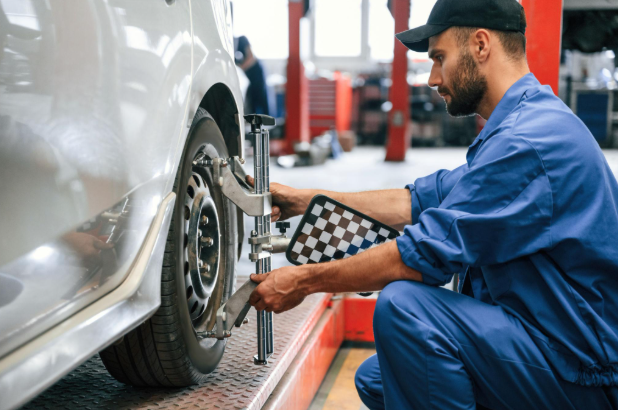
Your tires are one of the most important safety features on your vehicle. They provide traction, improve handling, and help you stop safely in every season. But when your tires begin wearing unevenly, it’s often a sign of an underlying problem that shouldn’t be ignored.
One of the most common causes of tire wear Michigan drivers experience is poor wheel alignment. Fortunately, correcting your alignment can extend tire life, improve fuel efficiency, and save hundreds of dollars in replacement costs.
Let’s explore why alignment matters and how it protects both your vehicle and your wallet.
What Is Uneven Tire Wear?
Uneven tire wear means that one section of the tire wears faster than another.
Instead of wearing evenly across the tread, you may notice:
- Inside edge wear
- Outside edge wear
- Feathering
- Cupping
- Bald spots
These patterns usually indicate that something in the suspension or steering system needs attention.
Common Causes of Tire Wear
Several factors contribute to premature tire wear.
These include:
- Poor wheel alignment
- Incorrect tire pressure
- Worn suspension parts
- Unbalanced tires
- Aggressive driving
- Pothole damage
Michigan roads are particularly tough on suspension systems because of seasonal freeze-thaw cycles and potholes.
What Is Wheel Alignment?
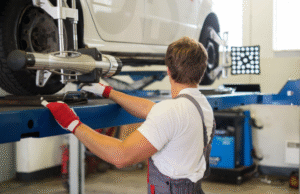
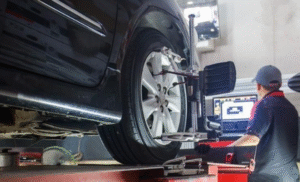
Wheel alignment refers to adjusting your vehicle’s suspension so the wheels point in the correct direction.
Technicians adjust three important angles:
- Camber
- Toe
- Caster
Proper alignment helps your tires make even contact with the road surface.
Signs You Need an Alignment
Your vehicle may need an alignment if you notice:
- Steering wheel isn’t centered
- Vehicle pulls left or right
- Uneven tire wear
- Squealing tires
- Steering feels loose
- Poor fuel economy
These symptoms usually become worse over time if ignored.
Alignment Benefits That Save Money
1. Longer Tire Life
Tires can cost hundreds of dollars each.
Proper alignment helps distribute wear evenly across the tread, allowing tires to reach their expected lifespan.
Replacing tires less often means significant long-term savings.
2. Better Fuel Economy
Misaligned wheels create rolling resistance.
Your engine works harder to move the vehicle forward, causing increased fuel consumption.
Correct alignment helps improve efficiency by allowing the tires to roll smoothly.
3. Improved Vehicle Safety
Proper alignment improves:
- Steering response
- Emergency braking
- Cornering
- Wet road traction
- Highway stability
These improvements reduce the likelihood of losing control during sudden maneuvers.
4. Reduced Suspension Repairs
Driving with poor alignment places extra stress on:
- Ball joints
- Tie rods
- Bushings
- Wheel bearings
Addressing alignment early helps prevent expensive suspension repairs later.
Michigan Roads Can Accelerate Tire Wear
Michigan drivers face unique challenges.
Common causes of alignment problems include:
- Potholes
- Frost heaves
- Rough pavement
- Construction zones
- Curbs
- Seasonal road damage
Even one hard impact can knock your alignment out of specification.
That’s why regular inspections are especially important.
How Often Should Alignment Be Checked?
Experts recommend checking alignment:
- Once a year
- After hitting a major pothole
- After replacing suspension parts
- After installing new tires
- Whenever uneven wear appears
Routine alignment inspections help catch problems before they become expensive.
Tire Maintenance Tips
Besides alignment, good tire care includes:
- Checking tire pressure monthly
- Rotating tires every 5,000–7,500 miles
- Balancing tires as recommended
- Inspecting tread regularly
- Replacing worn tires promptly
Combining these maintenance practices greatly extends tire life.
Don’t Ignore Uneven Tire Wear
Small alignment issues often become major repair bills if left untreated.
Ignoring uneven wear can eventually lead to:
- Premature tire replacement
- Suspension damage
- Poor fuel economy
- Unsafe handling
- Increased repair costs
Early inspection is always the more affordable solution.
Protect Your Tires and Your Budget
Uneven tread isn’t just a cosmetic issue—it’s your vehicle’s way of telling you something needs attention. By investing in regular alignment checks, you can enjoy longer-lasting tires, safer driving, improved fuel economy, and fewer costly repairs.
If you’ve noticed signs of tire wear Michigan roads often cause, scheduling an alignment inspection is one of the smartest maintenance decisions you can make. The long-term alignment benefits far outweigh the cost of waiting.
SEO Meta Description (158 characters):
Learn what causes tire wear Michigan drivers commonly experience and discover the alignment benefits that improve safety, fuel economy, and tire life.