
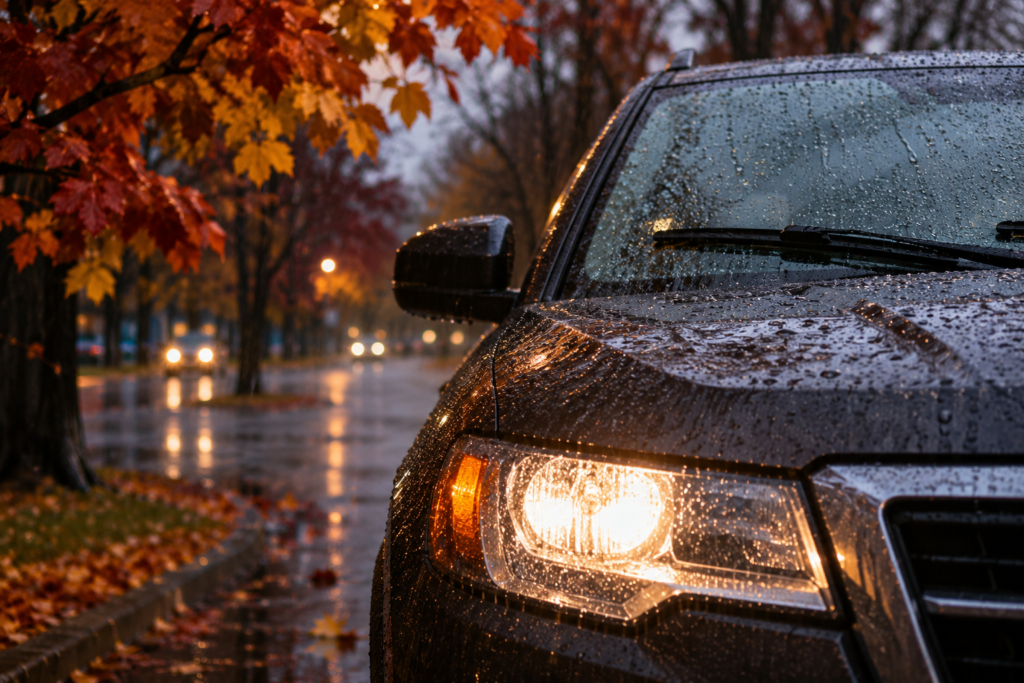
November is the perfect time for a reset.
You’ve probably already switched out your summer clothes, cleaned up the yard, and started getting your home ready for colder weather.
But what about your vehicle?
After months of summer driving, fall road trips, construction zones, and Michigan potholes, your car may be carrying more wear than you realize.
And winter is right around the corner.
A fall car reset is about finding small problems now before freezing temperatures, snow, and road salt make them worse.
You don’t need to replace everything on your vehicle.
You need to know what’s working, what’s wearing out, and what should be repaired before winter.
Here’s a practical fall car maintenance checklist for Michigan drivers, including eight areas worth checking this November.
1. Start With Your Battery
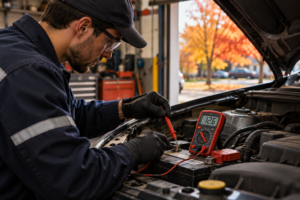
Your battery is one of the first things to check before winter.
Summer heat can accelerate battery deterioration, while cold temperatures reduce available starting power.
That’s why a battery that seemed perfectly fine during summer may suddenly struggle on a cold November morning.
Watch for slow cranking, clicking noises, dim headlights, or difficulty starting.
If your battery is older or has shown warning signs, have it tested.
Don’t assume that because your car started today, the battery will handle the first freezing morning.
2. Inspect Your Tires From Top to Bottom
Your tires deserve more than a quick glance.
Fall is the time to inspect tread depth, tire pressure, sidewall condition, and uneven wear.
Why does it matter?
Because November weather can bring cold rain, frost, and even snow.
Worn tires can struggle to maintain traction, particularly on wet or slippery pavement.
Check for:
- Uneven tread wear
- Cracks
- Bulges
- Low tread depth
- Incorrect tire pressure
- Damage from potholes
Tire pressure also drops as temperatures fall.
Check it when the tires are cold and use the pressure recommended by your vehicle manufacturer.
If you’re considering winter tires, November is a good time to evaluate your options before winter conditions become more severe.
3. Give Your Brakes Some Attention
Your braking system should never be an afterthought.
Michigan winter driving means you need predictable braking performance.
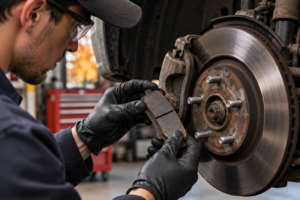
If you’ve noticed squeaking, grinding, vibration, or longer stopping distances, schedule an inspection.
Brake pads naturally wear down over time.
Waiting too long to replace them can lead to rotor damage and more expensive repairs.
A professional brake inspection can evaluate pad thickness, rotor condition, brake hardware, and other important components.
Don’t wait until your brakes are grinding to take action.
Addressing worn components early is usually easier than dealing with a larger repair later.
4. Check Your Engine Oil
Oil is essential for keeping your engine properly lubricated.
Over time, oil can become contaminated and lose some of its protective properties.
If your vehicle is due for an oil change, handle it before winter.
Check your owner’s manual or maintenance reminder for the correct service interval and oil specification.
Avoid guessing based on a universal mileage rule because requirements vary between vehicles.
Also look for oil leaks.
A small leak may become a bigger issue if ignored.
Routine oil maintenance is one of the simplest ways to support long-term engine health.
5. Inspect Your Cooling System
Your cooling system has two important jobs.
It prevents your engine from overheating, and the proper coolant mixture helps protect the system against freezing.
That’s especially important in Michigan.
Check the coolant level when the engine is cold.
Look for visible leaks around hoses, the radiator, and the coolant reservoir.
If your vehicle has been losing coolant, have the problem diagnosed.
Repeatedly topping it off without identifying the cause isn’t a long-term solution.
Also, never open the radiator cap while the engine is hot.
6. Test Your Heater and Defroster
You may not have used your heater much since spring.
Before temperatures drop further, turn it on and make sure it works properly.
Then test your windshield defroster.
Your heater keeps passengers comfortable, but your defroster is also important for visibility.
A windshield that won’t clear properly can become a serious problem during cold or wet weather.
If your heater blows cold air, airflow is weak, or the windshield stays fogged up, have the system checked.
Don’t wait until you’re driving through freezing conditions.
7. Replace Worn Wipers and Check Your Lights
November means shorter days and more driving in darkness.
Your headlights, brake lights, and turn signals need to work properly.
Take a few minutes to inspect them.
Then check your windshield wipers.
If they’re leaving streaks, skipping, squeaking, or failing to clear water effectively, replace them.
Use windshield washer fluid suitable for freezing temperatures.
Good visibility matters just as much as dependable tires and brakes.
Alt Text: Fall vehicle safety inspection for headlights and windshield wipers.
8. Pay Attention to Your Suspension and Alignment
Michigan roads can be rough on vehicles.
Potholes, uneven pavement, and everyday driving can affect suspension and steering components.
Signs that something may need attention include:
- Vehicle pulling to one side
- Crooked steering wheel
- Uneven tire wear
- Clunking over bumps
- Excessive bouncing
- Steering vibration
Not every vibration means you need an alignment.
Tire balance, worn suspension parts, and other mechanical issues can cause similar symptoms.
A professional inspection can identify the actual problem.
Getting these issues checked before winter can help your vehicle handle more predictably.
Don’t Forget Your Emergency Roadside Kit
A complete fall car reset should include more than mechanical maintenance.
Prepare your vehicle for the possibility of a roadside emergency.
Keep useful supplies such as a flashlight, phone charger, blanket, first-aid kit, water, and other essentials suitable for cold-weather travel.
If you travel longer distances, consider additional supplies based on your route and the expected weather.
And make sure you have a dependable towing company saved in your contacts.
US23 Towing: 810-655-5959.
It’s a simple step that can save time when something unexpected happens.
Why Fall Maintenance Matters in Michigan
Michigan weather puts vehicles through a lot.
Summer heat.
Heavy rain.
Potholes.
Freezing temperatures.
Snow and road salt.
Your vehicle experiences all of it.
Routine maintenance can’t prevent every mechanical failure, but it can help identify worn parts, weak batteries, leaks, and other issues before they become roadside emergencies.
Think of your fall car reset as a chance to catch up on everything you’ve been putting off.
That squeaky brake.
The battery that starts a little slowly.
The tire that keeps losing air.
The strange noise when turning.
November is the time to figure out what’s going on.
Frequently Asked Questions
What is a fall car reset?
A fall car reset is a seasonal vehicle inspection and maintenance routine focused on preparing your car for colder temperatures, winter driving conditions, and increased mechanical demands.
What maintenance should I do in November?
Check your battery, tires, brakes, oil, coolant, heater, defroster, windshield wipers, lights, and suspension. Address overdue maintenance and existing warning signs.
Why does my car struggle to start when it’s cold?
Cold weather reduces battery performance and makes starting more demanding. A weak battery, starter problem, or charging-system issue may be responsible.
Should I get my brakes inspected before winter?
Yes, especially if you’re experiencing squeaking, grinding, vibration, a soft pedal, or longer stopping distances.
What should I do if my car breaks down during winter?
Move to a safe location if possible, turn on your hazard lights, and contact roadside assistance. If the vehicle is unsafe to drive, arrange professional towing.
Finish Your Fall Reset With Confidence
Winter in Michigan can arrive quickly.
The best time to prepare your vehicle isn’t during the first major snowstorm.
It’s now.
Check your battery. Inspect your tires. Take care of brake problems. Make sure your fluids, heater, lights, and wipers are ready.
A little attention in November can help you avoid preventable problems when temperatures drop.
And if something does go wrong, US23 Towing is a number worth having ready.
Whether your vehicle won’t start, experiences a mechanical breakdown, or becomes unsafe to drive, professional towing can help you get it to a repair facility.
Call US23 Towing at 810-655-5959 when you need roadside towing assistance.
Take care of your vehicle this fall so you’re better prepared for whatever Michigan winter brings.